


Foot Measurement Software: What Footwear Brands Need to Know Before Buying
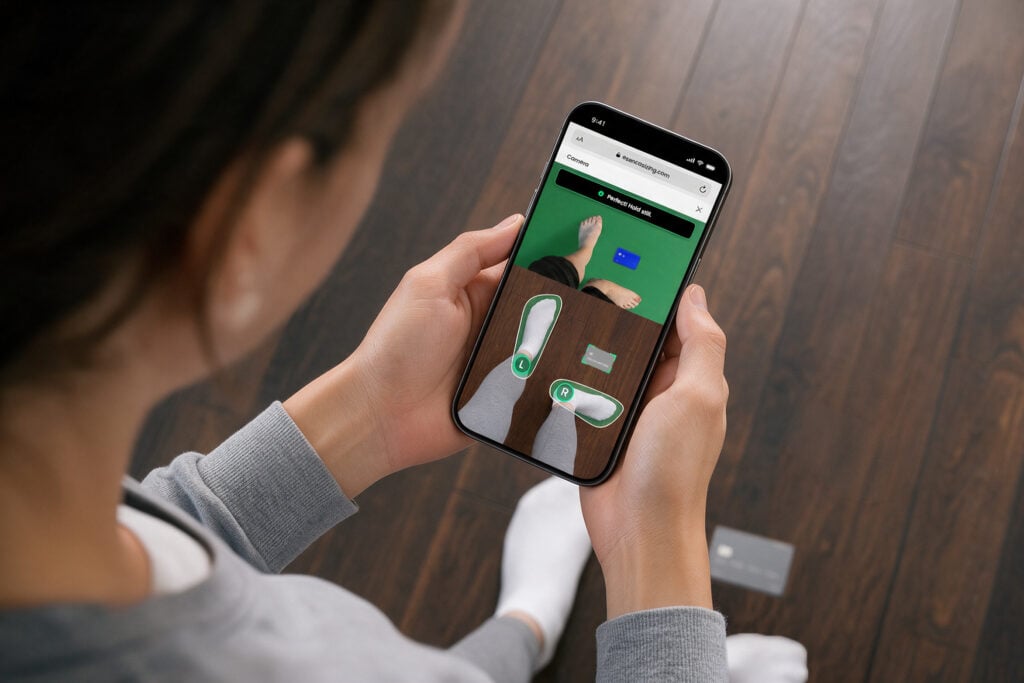
Foot measurement software captures a person’s foot dimensions through a smartphone camera or a dedicated scanner and converts them into a size recommendation, without a Brannock device or a fitter in the room. It’s a category of apparel sizing technology built for footwear, workwear, and PPE brands running sizing across online, in-store, and bulk-order channels […]
When Is a Measurement Change Real? Repeatability and Accuracy in Compression Garment Fitting
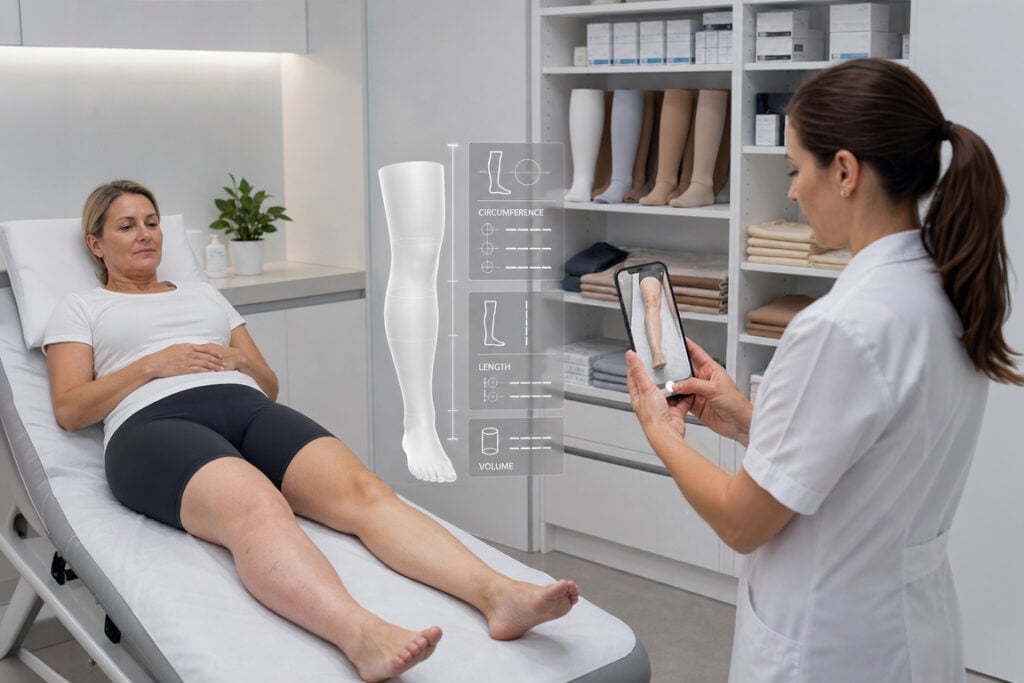
A compression garment patient returns for reassessment. The calf circumference recorded today is 4mm smaller than the measurement taken at the previous visit six weeks ago. The question is not whether the number changed. It is whether that change reflects a real reduction in limb volume or whether it falls within the normal variability of […]
Top AI Body Measurement Tools for Workwear & Uniforms (2026)
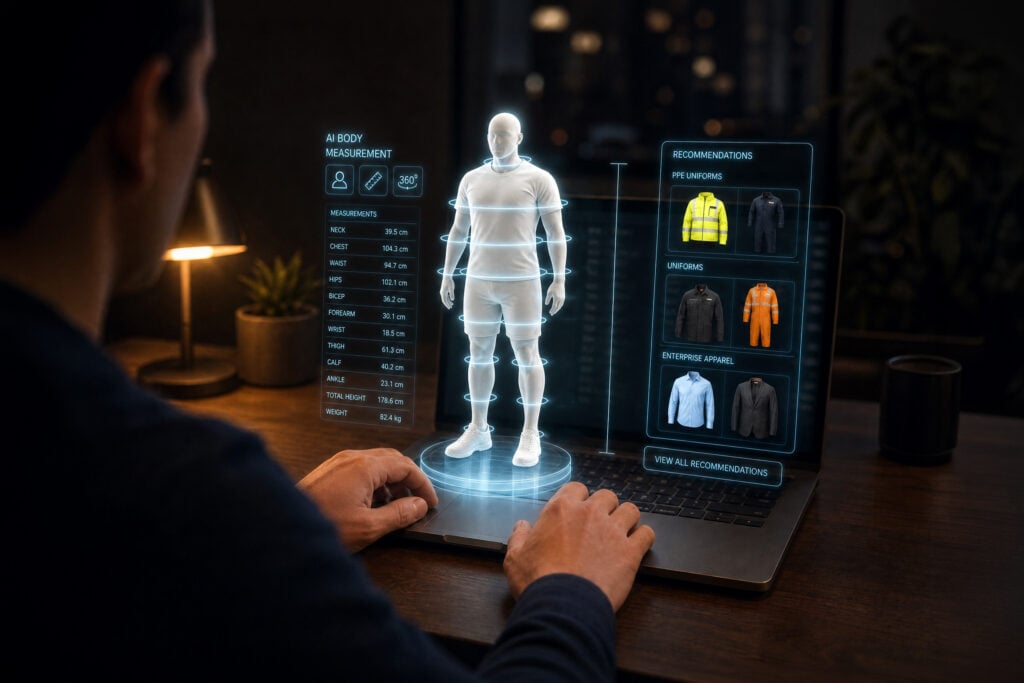
Getting the right garment size for a workforce of hundreds or thousands used to mean fitting events, physical tape measures, and weeks of logistical coordination. Today, machine learning and computer vision have compressed that process into a smartphone camera and a few minutes per employee. This guide covers the leading AI body measurement tools available […]
Best 3D Body Measurement Tools That Use AI and Computer Vision (2026)
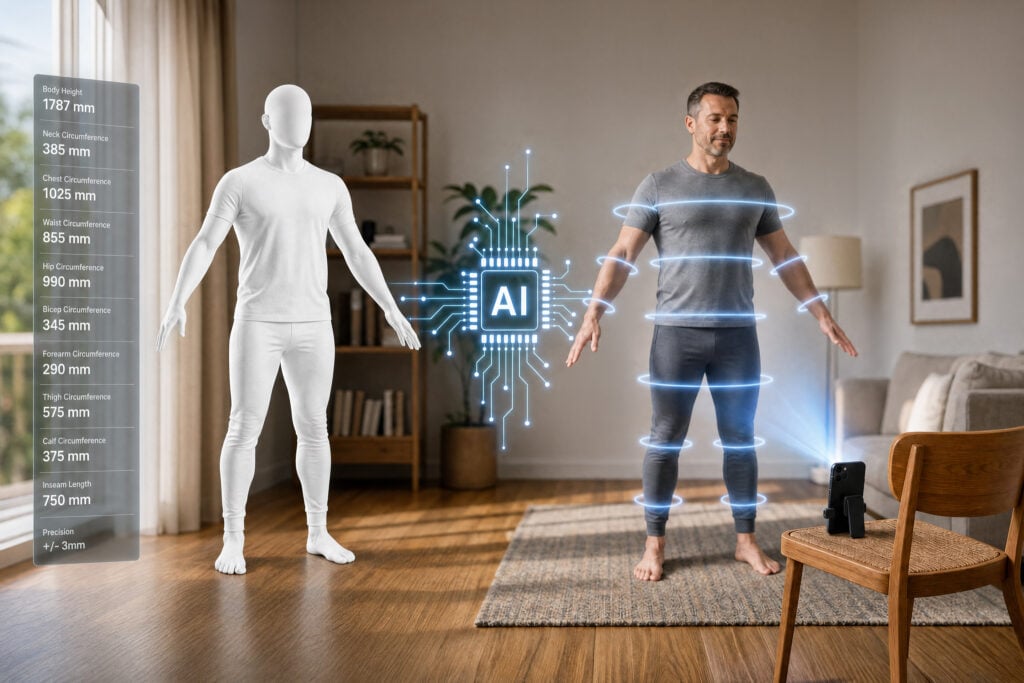
1. Introduction What “3D Body Measurement” Actually Means in 2026 The phrase “3D body measurement” is used loosely across the sizing technology industry — and that looseness creates confusion when procurement teams, HR managers, or innovation directors are evaluating vendors. In 2026, the term encompasses a spectrum of approaches: dedicated infrared 3D scanners that capture […]
What Is 3D Body Scanning? A Complete Guide for Workwear & Uniform Buyers
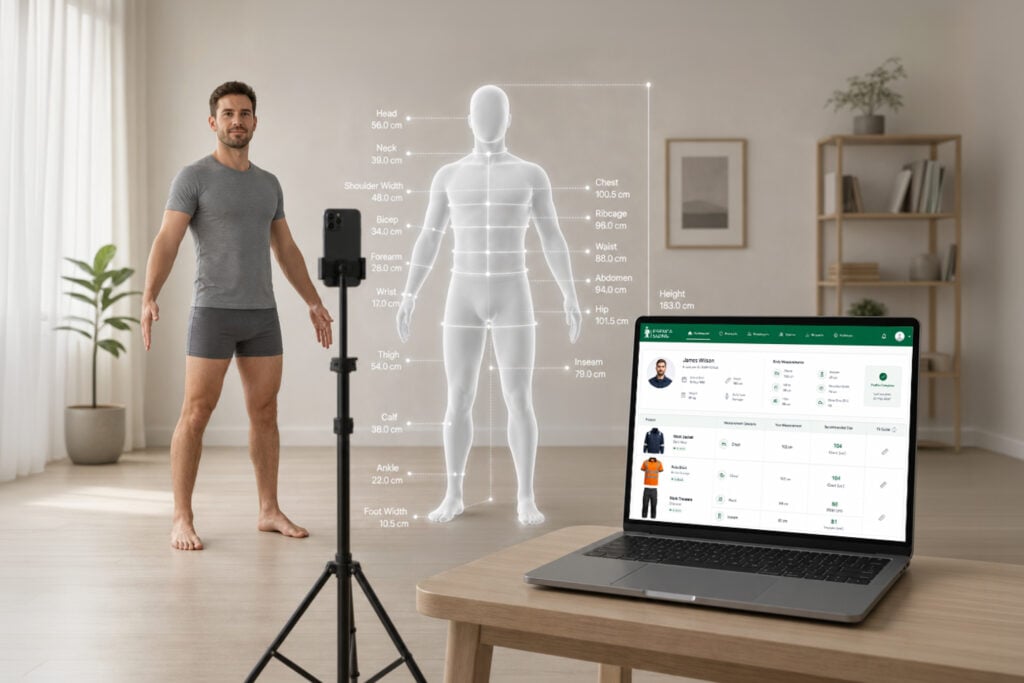
What 3D Body Scanning Actually Is 3D body scanning captures a person’s measurements using a camera and computer vision instead of a tape measure. Point a phone, capture a few images, and the software extracts the body measurements a garment actually needs—chest, waist, inseam, sleeve length, shoulder width, and dozens of other points a tailor […]
How to Reduce Uniform Returns with Digital Sizing
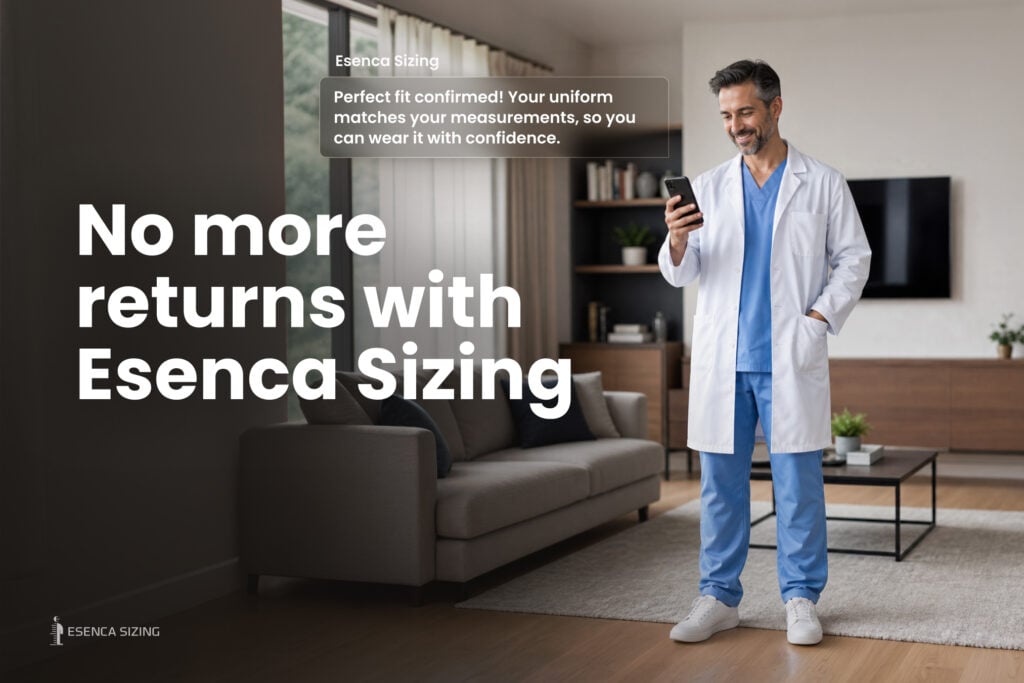
Uniform returns are among the most persistent and costly friction points in managed workwear programmes. Whether you are running a fleet of tens of thousands of garments across multiple sites or issuing uniforms to a single client location, the pattern is consistent: garments come back because they do not fit. The costs accumulate quickly, and […]
Remote Workwear Sizing for Employees: A Practical Guide
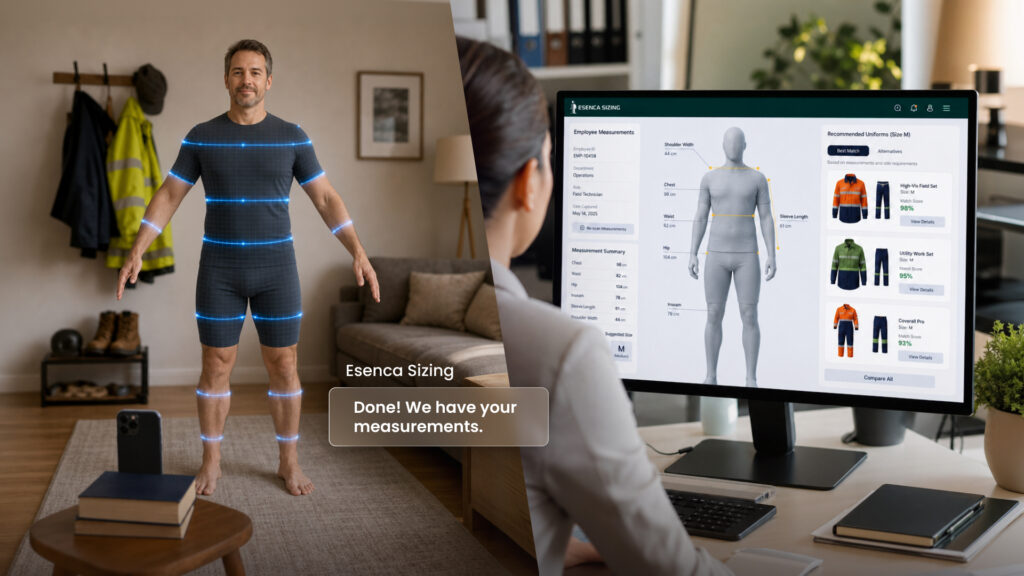
Uniform procurement for a workforce spread across fifteen depots, four countries, or a production floor with thirty percent annual turnover is not primarily a measurement problem. It is a logistics problem that measurement creates. Getting the right garment to the right worker requires accurate data. Collecting that data accurately, across every site, every shift, and […]
How to Reduce PPE Returns Caused by Incorrect Sizing
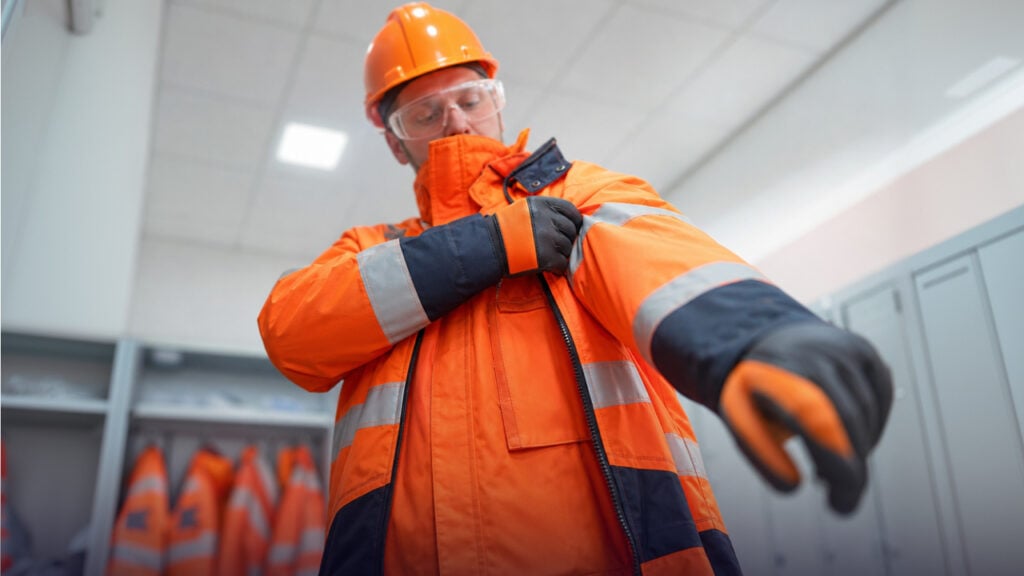
Most PPE returns are not a product problem. The glove was the right grade. The coverall met the specification. The footwear carried the correct safety rating. What failed was the measurement behind the order, and the return is simply where that failure becomes visible. For procurement teams managing large workforces, this distinction matters considerably. Treating […]
Mewa Rolls Out Esenca Sizing Across Germany, with Europe-Wide Deployment Set for 2026
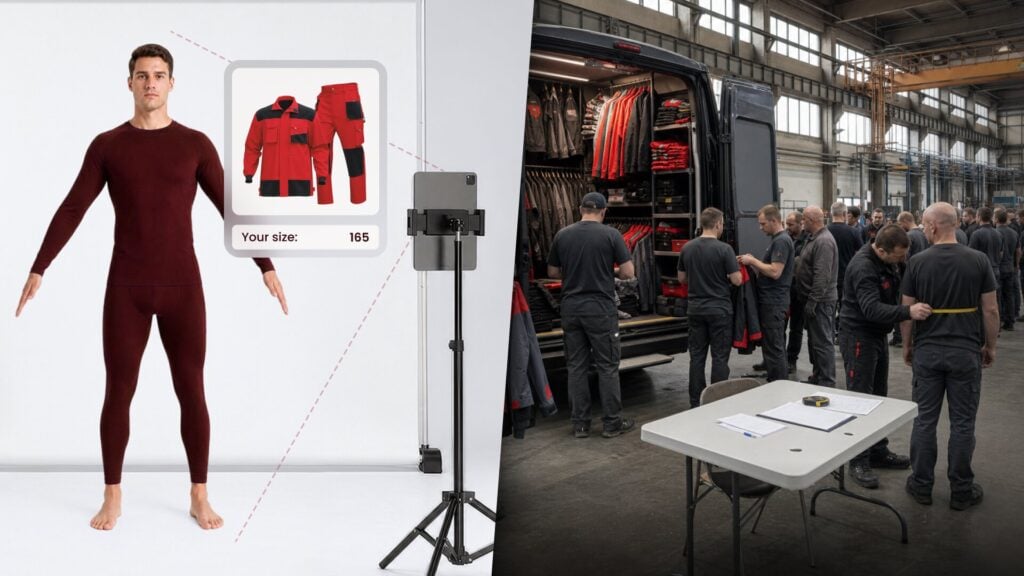
Mewa Textil-Service has officially launched the company-wide rollout of Esenca Sizing across all its German locations, with deployment planned across every European country Mewa operates in by the end of 2026. The announcement, published in Mewa’s official press release, marks the largest deployment of AI body measurement in the European workwear sector to date. A […]
Digital Body Measurement for Custom Clothing: The Complete Guide for Tailors & Made-to-Measure Businesses (2026)
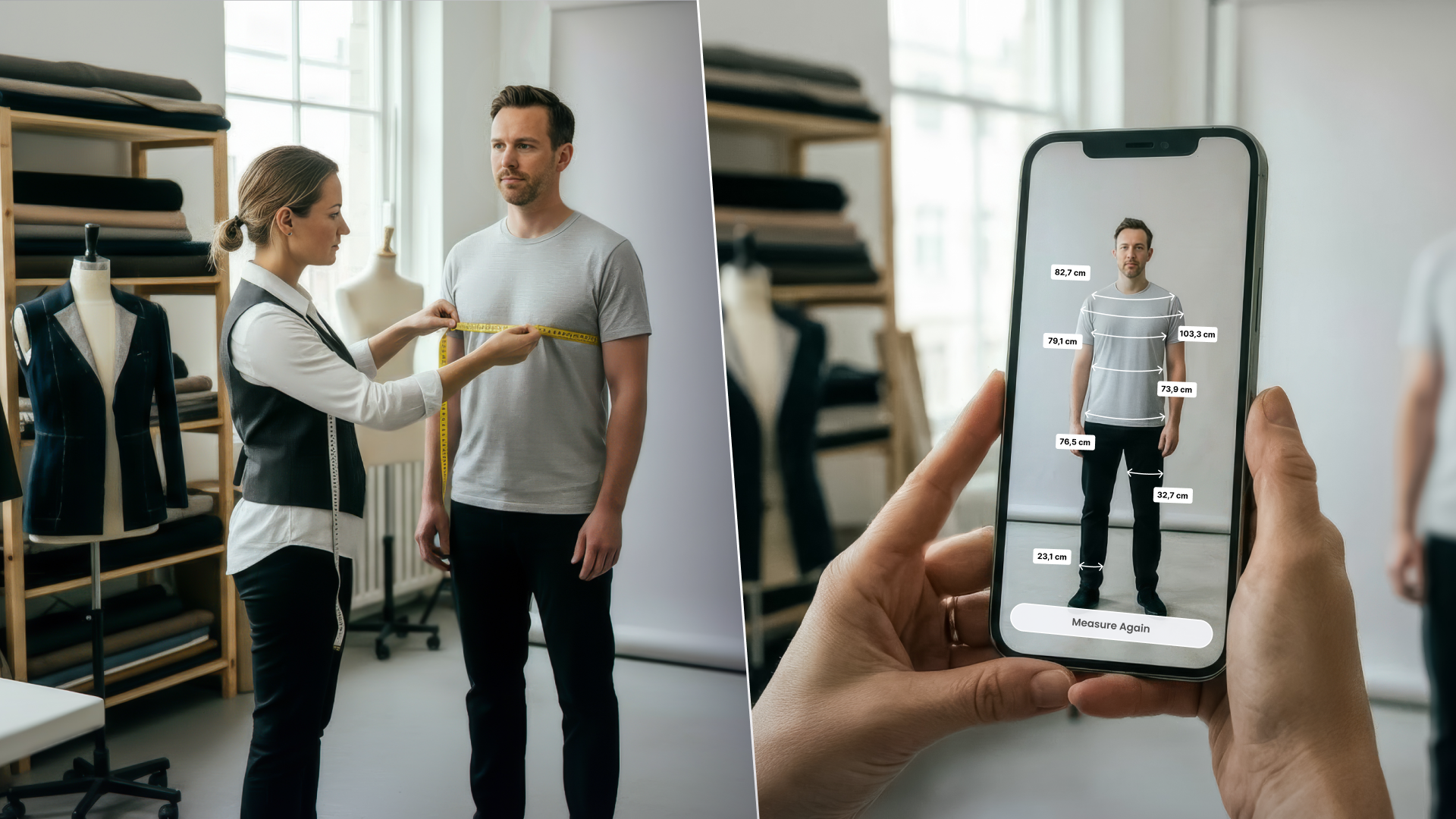
If you run a custom clothing business, you already know the tension: your reputation depends on a perfect fit, but every new client needs a measuring appointment. That appointment takes 30–45 minutes, limits how many clients you can serve, and confines your business to customers who can travel to you. Digital body measurement for custom […]