


During the Covid-19 pandemic, we’ve learned a great deal about doing business remotely, managing staff working from home, and adapting our workflow to the client’s needs. It was a challenging period for everyone, and you might think that the owners of e-commerce shops were the lucky ones. Online sales saw a huge boost, and the prediction of revenue for these stores was as good as it could have been. But there was a missing piece in this puzzle, one that not many have thought of: the dreaded returns.
The double-edged sword of returns
Research on return policies is, unfortunately, scarce and inconclusive, but many papers focus on customers’ behavior in the cyberspace and how the owners can profit from it to maximize their gains, on the other hand. The general thought regarding the indulgent policies applied by the stores is that returns are actually another bonus for the business, as it they could potentially reduce the consumer’s risk and increase demand. In addition, acceptable returns create a marketing incentive to attract loyal customers and promote a safe space for acquisitions, where you can change your mind at any time.
Unfortunately, this is not necessarily true: while free returns will absolutely result in multiple orders, they also incentivize customers to adapt an approach of indiscriminate ordering, regardless of whether the chosen garment will actually fit them. After all, they can just return them, right?

Bleeding money through returns
At the end of the day, the decision to buy clothes is closely related to the feelings of individuals about themselves, their body image, and the image they want to project to others when they are wearing them. There is a new trend among customers: buying multiple sizes of the same item to keep only one. Combined with lenient return policies, this will kind of behavior can have a significant impact on revenue of the business, whether we are talking about a small store or a larger one. We can also understand the customer side, naturally, as shopping online gives them the luxury of time but not the luxury of trying things out: however, some research cited in The Economist suggests that the these companies’ profits would increase by 50% if it were not for the costs associated with their returns.
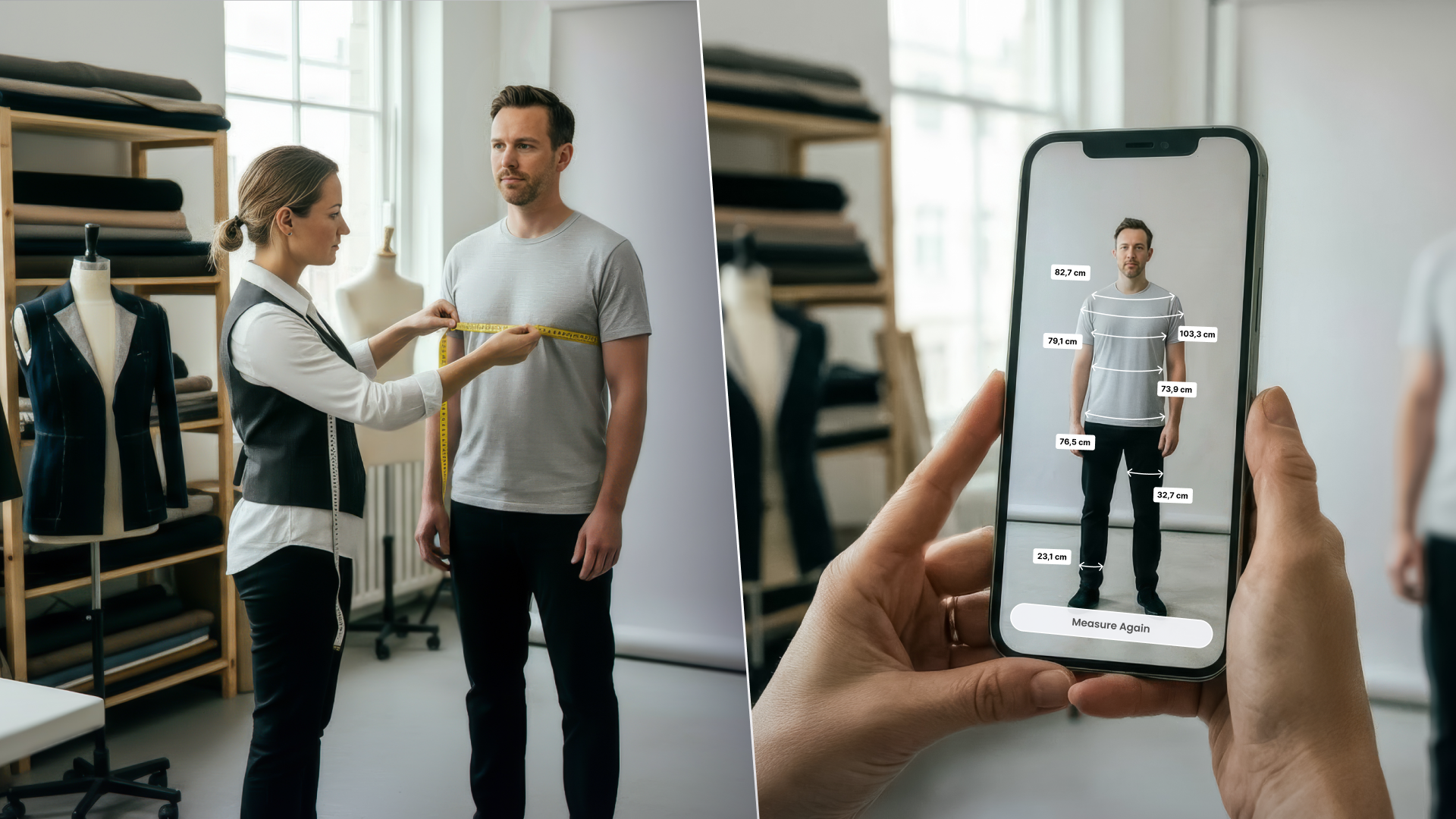
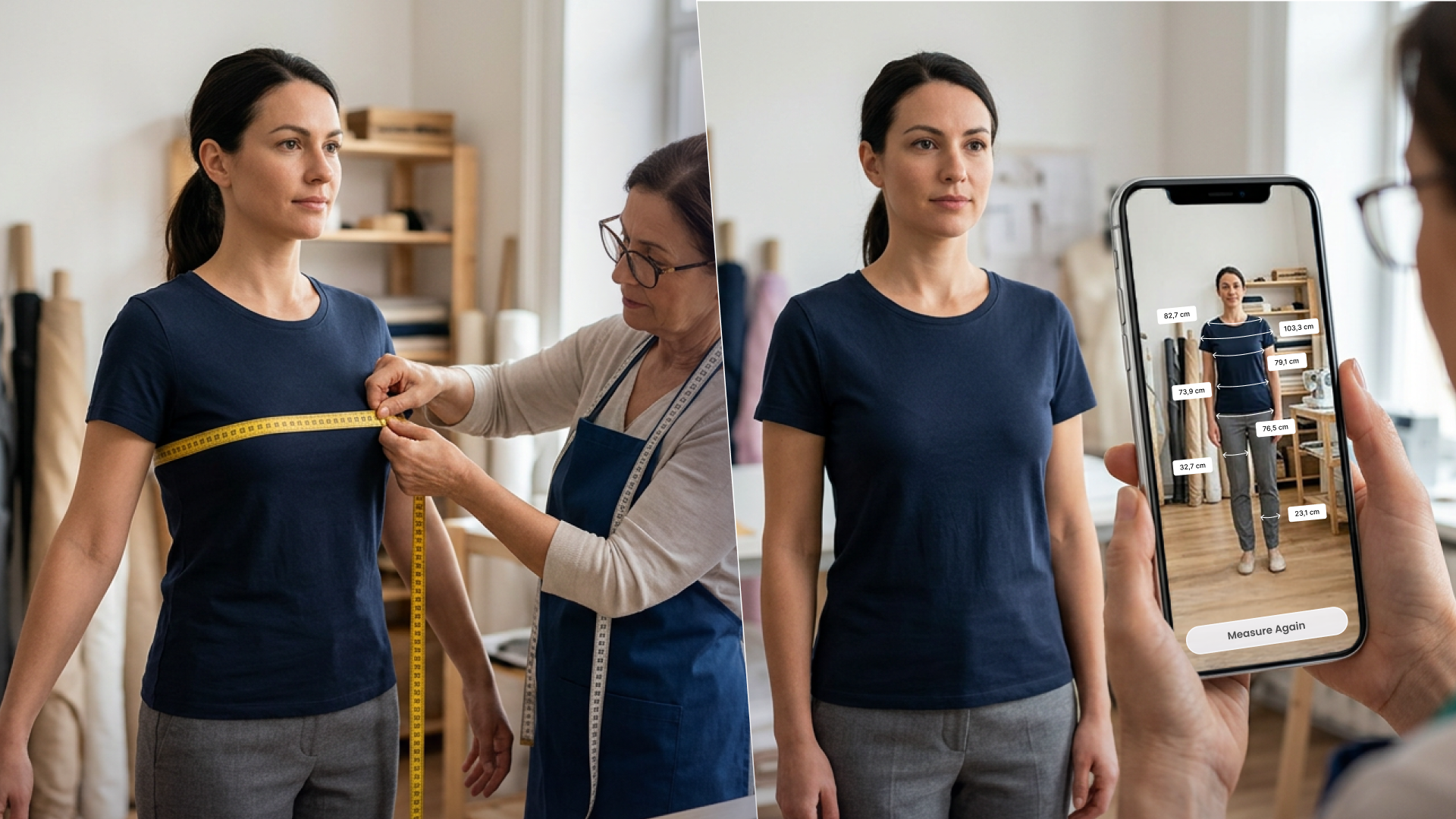
So, we’ve looked at both the clients and the owners, and are aware of the challenge. How can one solve it, though? It’s easier than you think: through applications that guide the buyers to choose the right size for them.
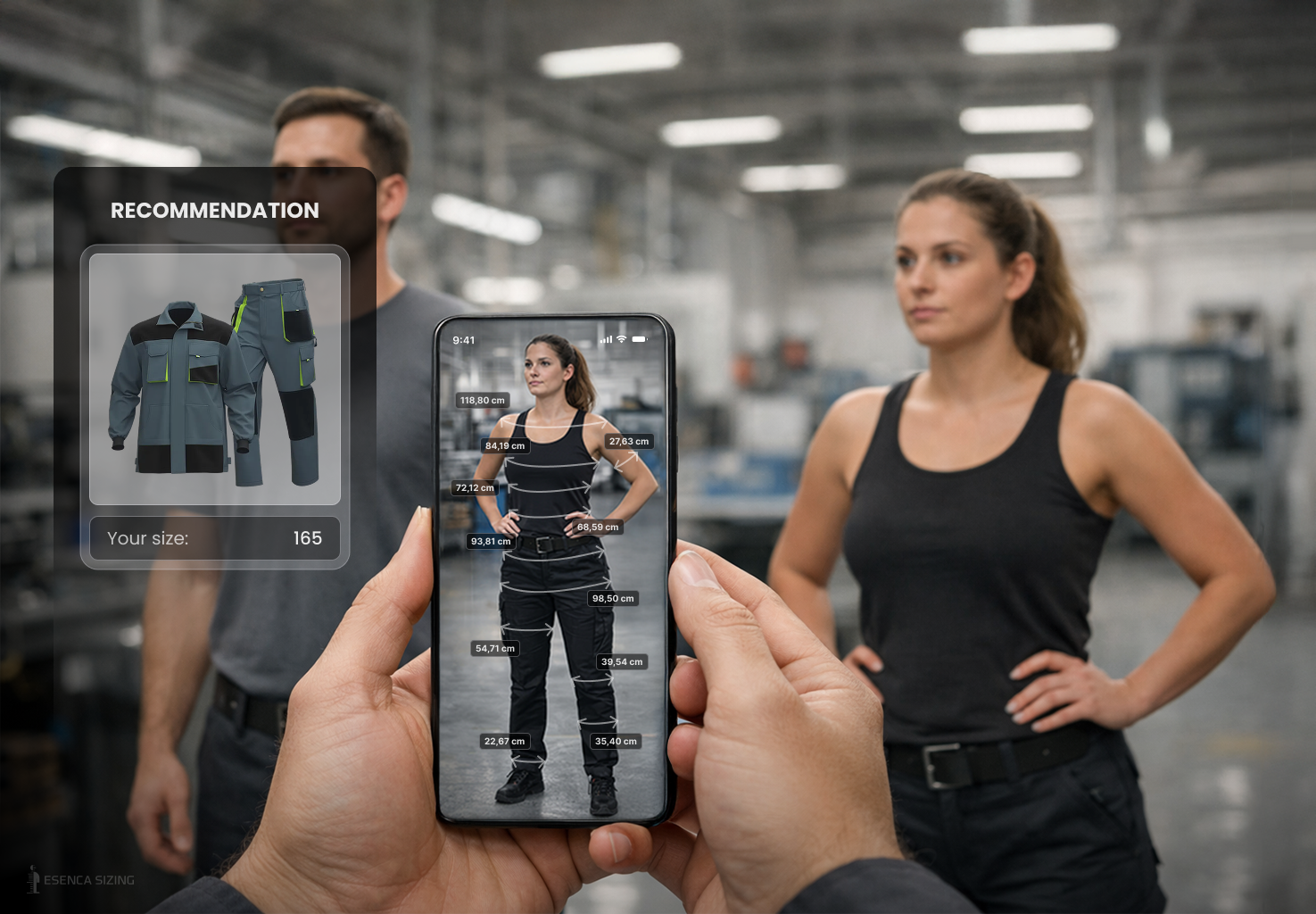
Esenca is one of the leading body measurement and size prediction tools available on the market. It’s easy to use and to manage using our innovative dashboard, and can provide the means to find the right size for each customer in seconds. Your clients only need to measure themselves once, after which you can use our size prediction solution that connects to your garment database and matches your sizing tables to the customer’s measurements. With a tool like Esenca, you can streamline your buying processes and make sure to reduce your return rates — but not only that, you can also radically increase customer satisfaction and your overall user experience.